Best Credit Cards for Bad Credit
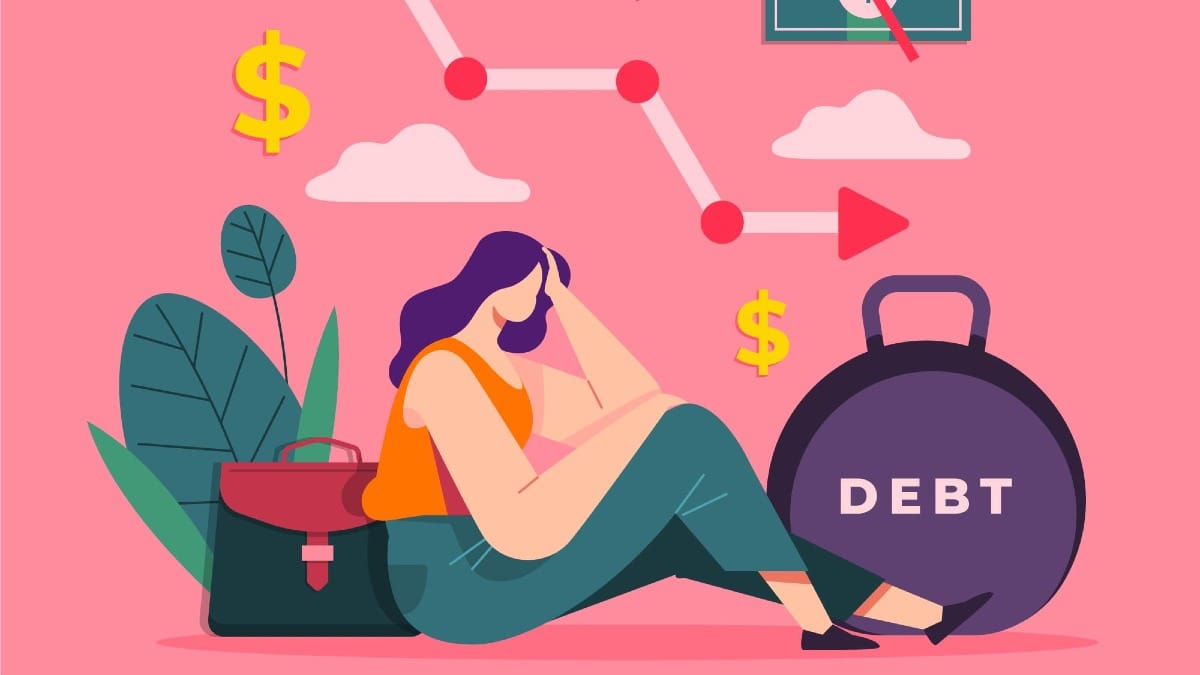
With bad credit, the right card is usually a secured card from a major issuer. You put down a refundable deposit, pay no annual fee, and the issuer reports to all three credit bureaus. Avoid "credit repair" cards that charge monthly, processing or setup fees. They cost more and rebuild credit no faster.
Terms checked September 23, 2026 on the issuers' own pages. Approval is never guaranteed.
The short list
| Card | Deposit | Annual fee | Upgrade path | Best for |
| Capital One Platinum Secured | $49, $99 or $200 for a $200 limit | $0 | Deposit returned when upgraded | Low upfront cash |
| A credit union secured card | Usually $200–$500 | Often $0 | Varies | A lower APR if you might carry a balance |
Capital One Platinum Secured
- Deposit: $49, $99 or $200, depending on your credit, for a starting limit of $200. You have 35 days after approval to pay it, and you can pay in instalments.
- Fees: No annual fee.
- Reporting: All three bureaus.
- Upgrade: Capital One reviews accounts for a higher limit and can return your deposit as a statement credit if you're upgraded to an unsecured card.
- Worth knowing: No rewards. Capital One lets you check for pre-approval without affecting your score.
A credit union secured card
Credit unions often charge lower APRs than big issuers. Federal credit unions are capped at 18% on most loans and cards. That helps if you think you might carry a balance, though ideally you won't. You'll need to become a member first. See credit union vs big bank.
Cards to avoid
- *Cards with an annual fee and a monthly fee.* Some "fair credit" cards charge both, plus a processing fee before the account even opens.
- Store cards pitched as credit builders. They're easy to get, but high APRs and low limits push up your utilization.
- Anything guaranteeing approval for an upfront payment. That's a scam.
How to rebuild with one card
- Put one small recurring bill on it, such as a streaming subscription.
- Set up autopay for the full statement balance. Payment history is the biggest part of your score. See what happens if you miss a payment.
- Keep the reported balance under 30% of the limit. On a $200 limit, that's under $60.
- Check your reports for errors that are dragging you down. See how to dispute an error.
Most people see a difference within 6–12 months. See do secured cards build credit?
ONE OPTION · Kikoff If you'd rather not tie up a deposit, Kikoff's credit-builder account reports on-time payments to the bureaus without a credit card. It works alongside a secured card or instead of one. See Kikoff →{rel="sponsored nofollow"}
FAQ
Can I get an unsecured card with bad credit? Sometimes, but usually with high fees or a very low limit. A secured card from a major issuer often costs less and upgrades later.
Will applying hurt my score further? A little, usually a few points. Use pre-approval tools first. See what a hard inquiry does.
What if I have no credit rather than bad credit? That's a different problem. See the best cards for no credit.
Figures and rules in this article are checked against the official sources below. Where they disagree with us, they win.
- capitalone.com/credit-cards/platinum-secured (deposit $49/$99/