Sending Money With a Credit Card: What It Costs
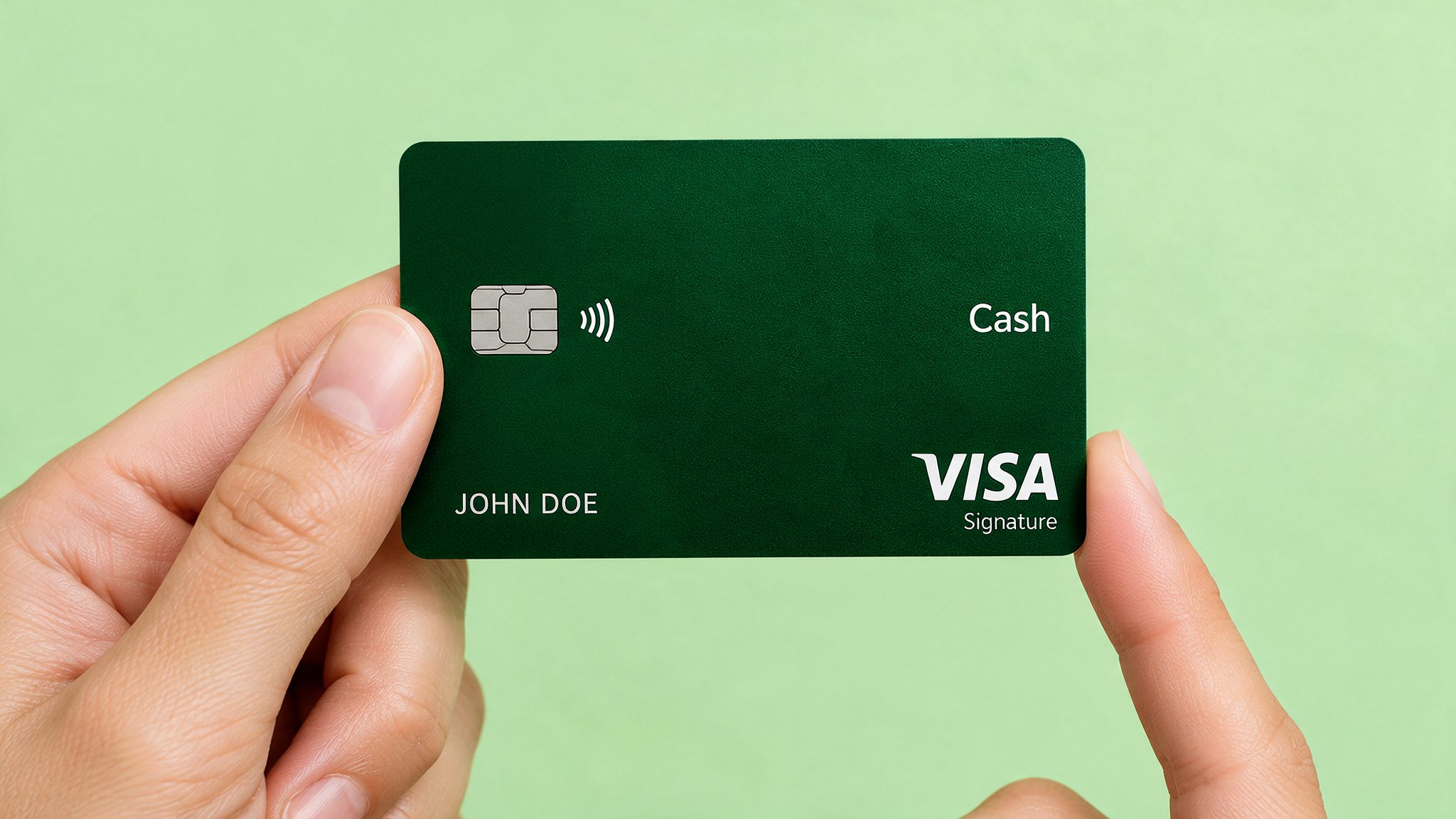
Every payment app will let you fund a transfer with a credit card, and every one charges about 3% for it. That is the visible cost. The invisible ones are worse: the payment may be coded as a cash advance, which starts accruing interest immediately at a higher rate, and it almost certainly earns no rewards.
What it costs, in order
| Cost | Typical | Applies |
| App fee | About 3% of the amount | Always, when funding with a credit card |
| Cash advance fee | 3–5%, minimum $5–$10 | If your issuer codes it as a cash advance |
| Cash advance APR | Often 25–30% | From day one, with no grace period |
| Rewards earned | Usually none | Most issuers exclude these transactions |
Stack the first three and a $500 payment can cost $15 in app fees, $15 in advance fees, and interest running from the moment it posts. That is 6% before any interest, to move $500.
The cash advance trap
Whether a peer-to-peer payment counts as a purchase or a cash advance is decided by your card issuer, not by the app, and issuers differ. A cash advance has three properties that make it the most expensive way to borrow on a card: a fee up front, a higher APR, and no grace period — interest starts the day it posts, even if you pay the statement in full.
The way to know is to ask before you send. Call the issuer, or send $1 and watch how the transaction is categorised.
No, you cannot manufacture points
The idea is obvious — pay a friend with a rewards card, have them send it back, collect points on money that went nowhere. Issuers closed it years ago. Peer-to-peer payments are typically excluded from rewards, and the 3% fee would exceed any earn rate regardless. Persistent attempts risk the account being closed.
When it is still the right call
One case: a genuine emergency where the money must move now, there is no cash, and the alternative is worse. A 3% fee plus advance interest is bad. Missing a court-ordered payment, losing a deposit, or having a utility cut off is worse. Borrowing on a card is a poor option that beats some alternatives, and it beats every payday loan.
If you get here more than once, the problem is the buffer rather than the fee — see where an emergency fund should live.
Cheaper routes, in order
- Debit card or bank account. Free in every app.
- Zelle. Free, minutes, bank to bank.
- Standard ACH transfer. Free, a few days. See what ACH is.
- A card with a 0% intro period, used for a purchase rather than a cash advance, if you actually need to borrow.
- A small personal loan, which at any reasonable rate is cheaper than a cash advance carried for months.
Related
The other fee on the same screen: instant transfer fees. On the cards themselves: best cards for no credit and the payoff calculator if a balance is already there.
Common questions
How much does it cost to send money with a credit card?
About 3% in app fees, plus a possible cash advance fee of 3% to 5% and cash advance interest from the day it posts.
Is a Venmo or PayPal payment a cash advance?
It depends on your card issuer, not the app. Ask the issuer, or send $1 first and check how the transaction is coded.
Do I earn rewards on peer-to-peer payments?
Almost never. Issuers exclude these transactions, and the 3% fee would outweigh any rewards anyway.
What is the cheapest way to send money?
A bank account or debit card in any app, or Zelle between enrolled banks. All are free.
Figures and rules in this article are checked against the official sources below. Where they disagree with us, they win.