
What Credit Score Do You Need for a First Credit Card?
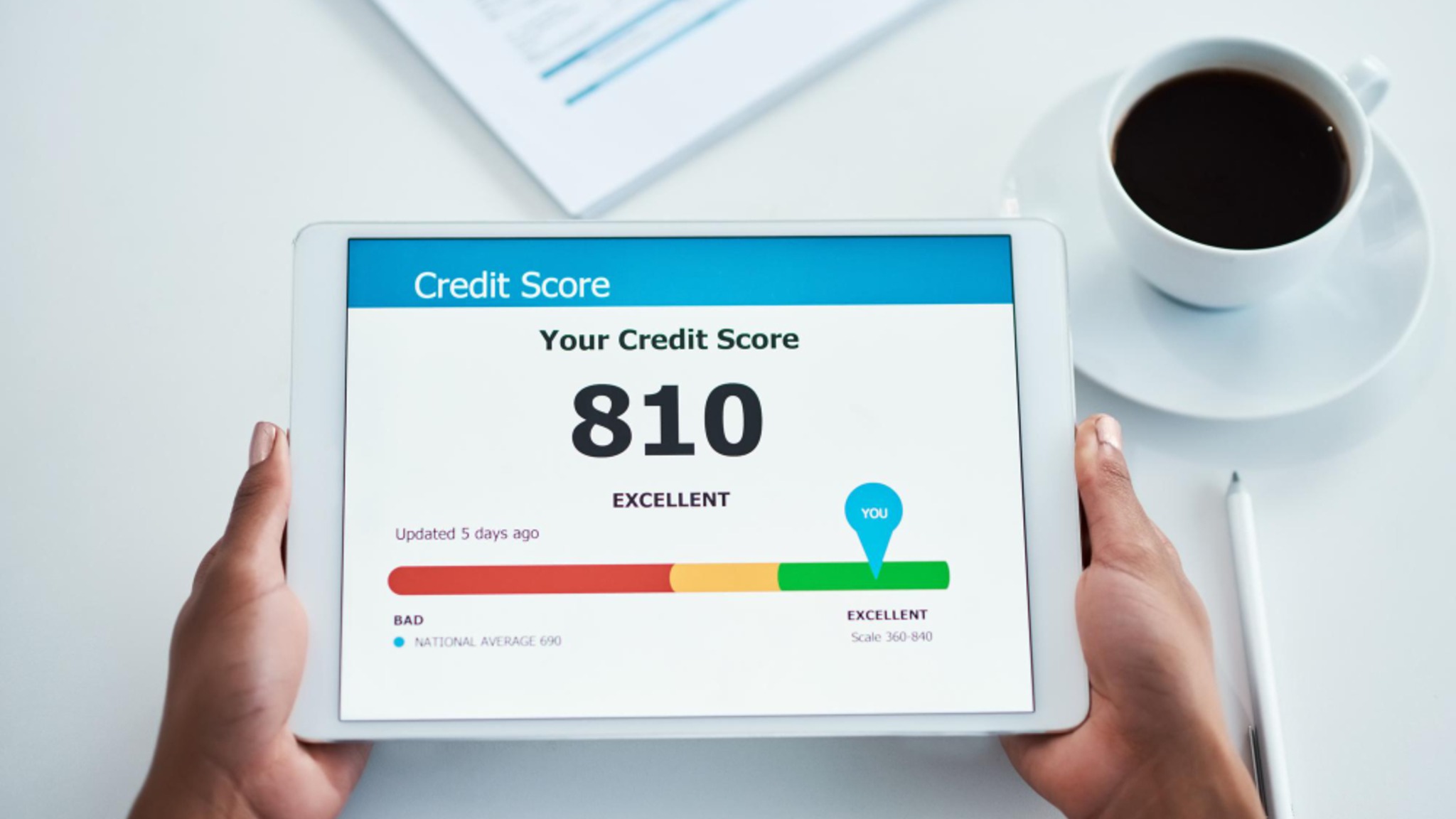
The honest answer is that for your first card you probably have no score, and that is fine. A score needs an account with a few months of reported activity behind it. Without one you are what lenders call a thin file or credit invisible — not rejected on the numbers, just absent from them.
No score and a bad score look similar on an application and are entirely different problems.
What the numbers mean
| Range | Label | What you can get |
| No score | Thin file | Secured cards, student cards, credit-builder products |
| 300–579 | Poor | Secured cards |
| 580–669 | Fair | Some unsecured starter cards, higher APRs |
| 670–739 | Good | Most mainstream cards |
| 740–799 | Very good | Rewards cards, better terms |
| 800+ | Exceptional | Everything, at the best pricing |
For a first card the practical thresholds are simpler. Secured cards approve almost anyone over 18 with some income. Student cards approve enrolled students with little or no history. Everything else generally wants 670 or better.
What the issuer actually looks at
With no score, the decision is made on other things: your income, your housing cost, whether you are a student, whether you already bank with the issuer, and whether anything negative is on file — a collection, a default, a closed account owing money.
That last point is why it is worth pulling your report before applying, even if you have never borrowed. Errors and identity mix-ups are common enough to matter. Reports are free at AnnualCreditReport.com, and if something is wrong, dispute it before you apply.
Getting a score at all
You need one reported account and roughly six months of activity. Four routes, in order of how reliably they work:
- Secured card. Deposit, spend a little, pay in full. See what deposit is required.
- Student card, if you are enrolled. No deposit needed.
- Authorised user on someone else's card. Their history can report on your file. Only worth doing if they pay on time — their mistakes land on you too.
- Credit-builder loan. A small loan held in a savings account while you repay it, which reports as an instalment account.
Do not apply to five cards at once
Each application is a hard inquiry, and several in a short window make you look like someone in trouble. With no history the effect is proportionally larger, because there is nothing else in the file to weigh against it.
Apply for one card that is designed for your situation. If it is declined, the issuer must tell you why in an adverse action notice — read it, fix what it names, and wait a few months before trying again.
Timeline
Expect a score about six months after the first account reports. Expect "good" territory after a year or two of clean payments if nothing goes wrong. There is no way to speed up the age of an account, which is why the best time to open the first one is as soon as you can use it responsibly.
Related
Choosing the card: secured vs student, our no-credit picks.
Moving the number: Credit Score 101, do secured cards build credit?, building credit at 18.
Common questions
What credit score do I need for my first credit card?
Usually none. Secured and student cards are built for people with no score. Unsecured mainstream cards generally want 670 or above.
Why do I have no credit score?
Scores require at least one account reporting for around six months. With no borrowing history there is nothing to score.
Does checking my own score hurt it?
No. Checking your own report or score is a soft inquiry and has no effect. Only a lender’s hard inquiry counts.
How long until I have a good score?
A score appears about six months after your first account reports. Good territory typically takes one to two years of on-time payments and low balances.
Figures and rules in this article are checked against the official sources below. Where they disagree with us, they win.