No Credit? The Best Student Credit Cards to Build It

Updated October 2, 2026. These cards are built for students and young adults, including 18-year-olds, with no credit history. Already have one card? See when to get a second card.
Not a student? Student cards require enrolment, so if you are building credit outside school, our guide to the best cards for no credit history covers secured cards, which anyone can qualify for.
The "Credit Paradox" is the most annoying part of adulthood: You need credit to get a credit card, but you need a credit card to build credit.
For college students, this used to mean signing up for a predatory card with high fees and terrible interest rates just to get a foot in the door.
In 2025, that is no longer necessary.
Major issuers like Discover, Chase, and Capital One have created excellent "Student" and "Starter" cards specifically for people with zero credit history. They don't just approve you; they actually give you cash back and perks that rival "adult" cards.
But why do you need one now?
- Landlords: Most apartments require a credit check. No score = No keys.
- Employers: Many jobs (especially in finance or tech) run credit checks on new hires.
- Interest Rates: When you graduate and want to buy a car, a 750 credit score can save you $5,000 in interest compared to a 600 score.
Here are the best cards to start your financial journey, followed by a guide on exactly how to get approved.
The four student cards worth opening
1. The Gold Standard: Discover it® Student Cash Back
Best For: Easiest approval + Highest potential rewards.
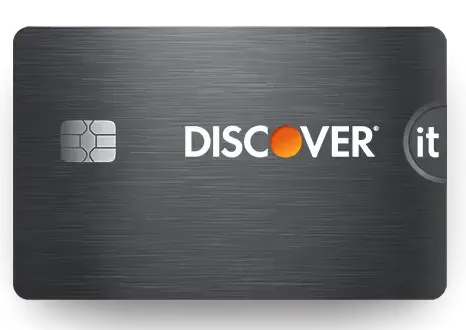
If you are a college student with absolutely no credit file, this is widely considered the best card to start with. Discover is famous for having no FICO score requirement for this card. They rely on your student status and alternative data to approve you.
- The Rewards: You earn 5% cash back on rotating categories each quarter on up to $1,500 in spending.
- Examples: Grocery Stores (Jan-Mar), Gas Stations (Apr-Jun), Restaurants, and Amazon.com.
- All other purchases earn 1%.
- The "Welcome Bonus": Discover has a unique "Cashback Match." At the end of your first year, they dollar-for-dollar match all the cash back you earned.
- The Math: If you earned $200 in cash back during the year, they write you a check for another $200. That effectively makes this a 10% / 2% card for the first year.
- The Safety Net: It has $0 Annual Fee and forgives your first late payment fee (just in case you mess up once).
2. The "Foodie" Card: Capital One Savor Student Cash Rewards
Best For: Students who spend money on dining and entertainment.
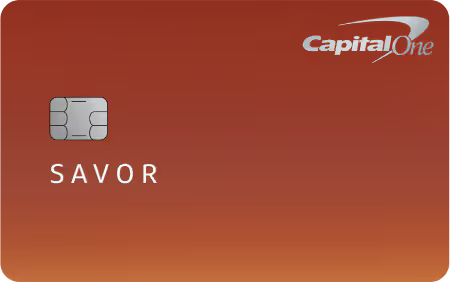
If you plan to study abroad or just spend a lot of time ordering Uber Eats and going to concerts, this is the card to get. It is designed for the "Social Student."
- The Rewards: Unlimited 3% cash back on:
- Dining (Restaurants, fast food, coffee shops).
- Entertainment (Movie tickets, bowling, concerts, zoos).
- Popular Streaming Services (Netflix, Hulu, Spotify).
- Grocery Stores.
- The "Study Abroad" Perk: No Foreign Transaction Fees. Most cards charge you 3% extra to swipe your card in Europe or Asia. This one is free to use internationally, which is rare for a student card.
- The Bonus: Currently, they offer a $50 cash bonus if you spend just $100 in the first 3 months. That is basically a 50% discount on your first few purchases.
3. The "Relationship" Play: Chase Freedom Rise℠
Best For: Students who want to get into the Chase ecosystem early.
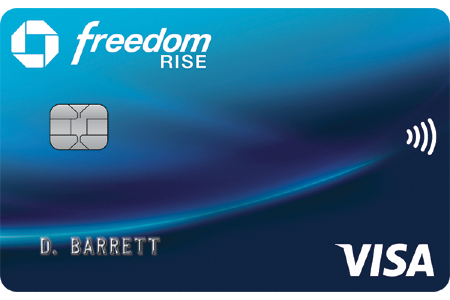
Chase used to be notoriously hard to get approved for without a year of credit history. They launched the Freedom Rise specifically to fix that. It is designed to be your first credit card.
- The Rewards: Flat 1.5% cash back on everything. No categories to track.
- The "Hack" to Get Approved: Chase explicitly states that having a Chase checking account with at least $250 in it increases your chances of approval.
- Strategy: Open a Chase College Checking account, deposit $250, wait 3 days, and then apply for this card.
- Why Do It: Chase has the best "adult" credit cards (like the Sapphire Preferred). Starting with the Freedom Rise builds your internal trust score with them, making it much easier to upgrade to the premium travel cards after you graduate.
4. The "Online Shopper": Bank of America® Customized Cash Rewards for Students
Best For: Flexibility.
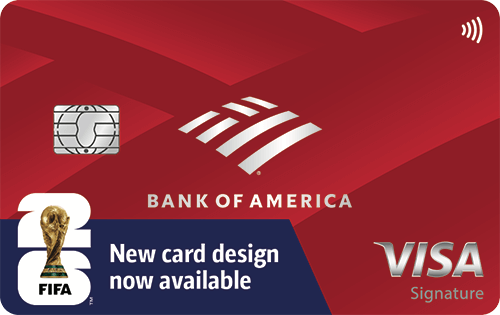
This card is a sleeper hit because it allows you to choose your own high-reward category.
- The Rewards: You get 3% cash back in the category of your choice (up to $2,500 in spend per quarter).
- The Options: Gas, Online Shopping, Dining, Travel, Drug Stores, or Home Improvement.
- Pro Tip: Choose "Online Shopping." This is one of the broadest categories in the credit card world. It covers Amazon, clothes, textbooks, and almost anything else bought on the web.
- The Bonus: A $200 cash rewards bonus if you spend $1,000 in the first 90 days. This is one of the highest bonuses available for students, but the spending requirement is a bit steeper.
The fallback: Capital One Platinum Secured
Best for: Students who get turned down for the cards above.
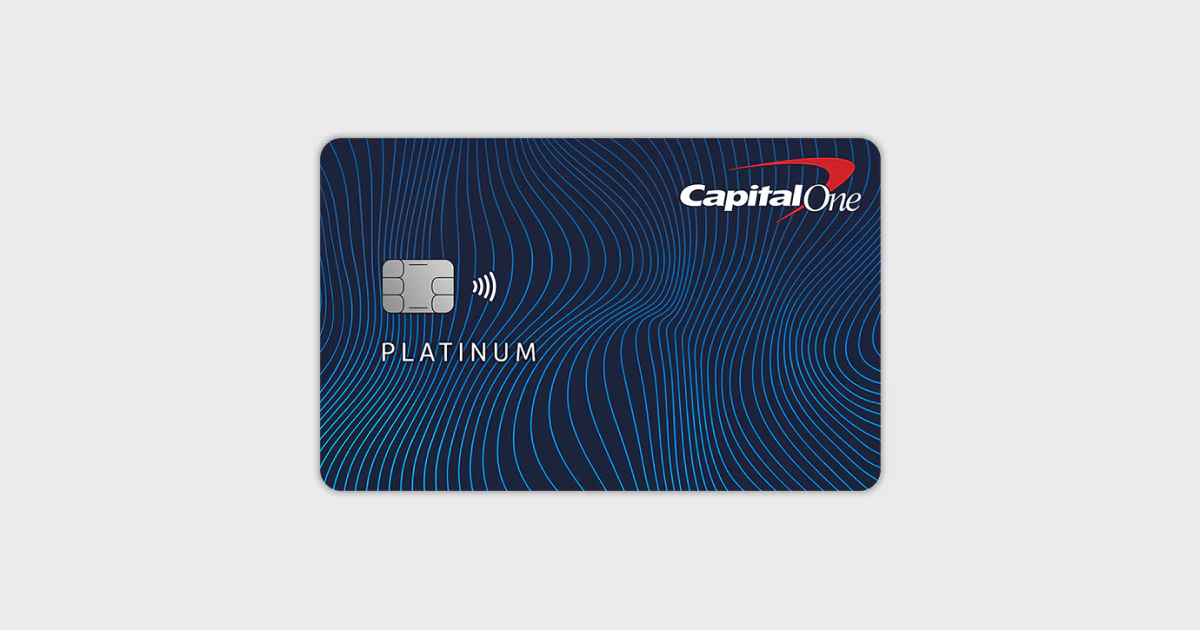
If a student card turns you down, a secured card gets you started. Discover it® Secured used to be the usual pick here, but it's no longer offered to new applicants (checked September 23, 2026).
- How it works: You pay a refundable deposit of $49, $99 or $200, depending on your credit, for a $200 credit line. There's no annual fee.
- What it builds: It reports to all three bureaus, so on-time payments build your history the same way a student card would.
- The graduation: Capital One reviews accounts for a higher line and can return your deposit when it upgrades you to an unsecured card.
- The trade-off: No rewards.
Strategy: How to Fill Out the Application
The most confusing part of the application is the "Income" box. If you are a student, what counts as income?
1. Personal Income You can include wages from part-time jobs, internships, and side hustles (DoorDash, tutoring).
2. Financial Aid & Scholarships Yes, you can include this! If you receive scholarships or grants that cover your living expenses (room and board) after tuition is paid, that counts as income.
3. Regular Allowances If you are over 21, you can include "any income to which you have reasonable expectation of access." This includes money your parents regularly deposit into your account for rent or food.
- Note: If you are under 21, the CARD Act of 2009 makes this harder. You generally need to show independent ability to pay (your own job or scholarships), or get a cosigner (though most major banks no longer allow cosigners).
3 Golden Rules for Your First Card
Once you get approved, you are holding a tool that can either build your future or destroy it. Follow these three rules to ensure you build an 800 credit score, not a debt problem.
1. Treat it like a Debit Card If you have $50 in the bank, do not spend $51 on the credit card. Never use a credit card to "borrow" money you don't have. Use it only for things you were going to buy anyway.
2. Set Up Auto-Pay Immediately Log in the day you get your card and set it to "Pay Statement Balance in Full" automatically.
- Warning: Do not select "Pay Minimum Due." If you only pay the minimum (usually $35), you will get hit with 25%+ interest on the remaining balance. Paying in full is the only way to avoid interest.
3. The 30% Utilization Rule Your credit score drops if you max out your card.
- The Math: If your limit is $500, try not to have a balance higher than $150 (30%) when the statement closes.
- The Fix: If you need to buy a $400 laptop, pay it off immediately (the next day) so your statement balance shows $0 at the end of the month.
Can you get a card at 18 with no credit?
Yes, and a student card is usually the way. Since the CARD Act, anyone under 21 has to show either independent income sufficient to cover payments or a co-signer — but issuers accept part-time earnings, and for student cards they weigh enrolment heavily. Reportable income can include a campus job, a summer job, or in many cases regular allowances or scholarship funds that reach your account.
What this means practically at 18: you are not choosing between a student card and nothing. You are choosing between a student card, being added as an authorised user on a parent's account, and a secured card if the first two fail. In that order — a student card builds the same history with no deposit tied up, and several of them pay rewards a secured card will not.
One thing to get right at this age rather than later: the card you open first stays on your file the longest, and length of credit history is a scoring factor. A card with no annual fee is one you can keep open indefinitely without paying for the privilege, which is why every card on this list is $0.
Firstcard is a credit-builder card designed for students and people with no credit history, and it reports to the credit bureaus like a regular card. Check its current fees and requirements before you apply, and pay the full balance each month.We may earn a commission if you open an account through this link. On-time payments help build your history; late payments hurt it.
The Bottom Line
- Apply for Discover it® Student first. It has the best rewards, the easiest approval, and the best customer service.
- Apply for Capital One Savor Student if you eat out constantly and want a quick $50 bonus.
- Apply for Chase Freedom Rise if you are willing to open a checking account to build a long-term relationship with a big bank.
FAQ: Student Credit Card Questions
Q: Do I need a cosigner? A: Generally, no. Most major issuers (Chase, Capital One, Discover) do not even allow cosigners anymore. They want to see that you have some income. If you have zero income, becoming an "Authorized User" on your parents' card is a better path than trying to find a cosigner.
Q: Will applying hurt my credit score? A: You will get a "Hard Inquiry" on your report, which might drop your score by 2–5 points temporarily. This is normal and nothing to worry about. It will recover in a few months.
Q: What if I am an International Student? A: You likely need an SSN (Social Security Number) or ITIN (Individual Taxpayer Identification Number) to apply for most of these cards. If you don't have one, look at Deserve or Jasper, which are fintech cards designed specifically for international students without SSNs.
Figures and rules in this article are checked against the official sources below. Where they disagree with us, they win.