Finding a bank that actually makes life easier can feel like a part-time job. Between the fine print, the automated phone trees, and those "surprise" fees that always seem to pop up on a Tuesday morning, it’s easy to get frustrated.
But if you look at the latest data from this year—specifically the Consumer Financial Protection Bureau (CFPB) complaint trends and J.D. Power’s latest satisfaction studies—a few names consistently rise to the top.
These aren't just banks with the most money; they’re the ones that pick up the phone and treat you like a person.
Here is a look at the best banks for customer service this year, ranked by the fewest unhappy customers.
1. The "Big Three" National Leaders
Most people assume that "Big Bank" equals "Big Headache." While that's often true (larger banks usually have the highest raw number of complaints), a few national giants have actually figured out how to scale their support without losing the human touch.
Chase Bank
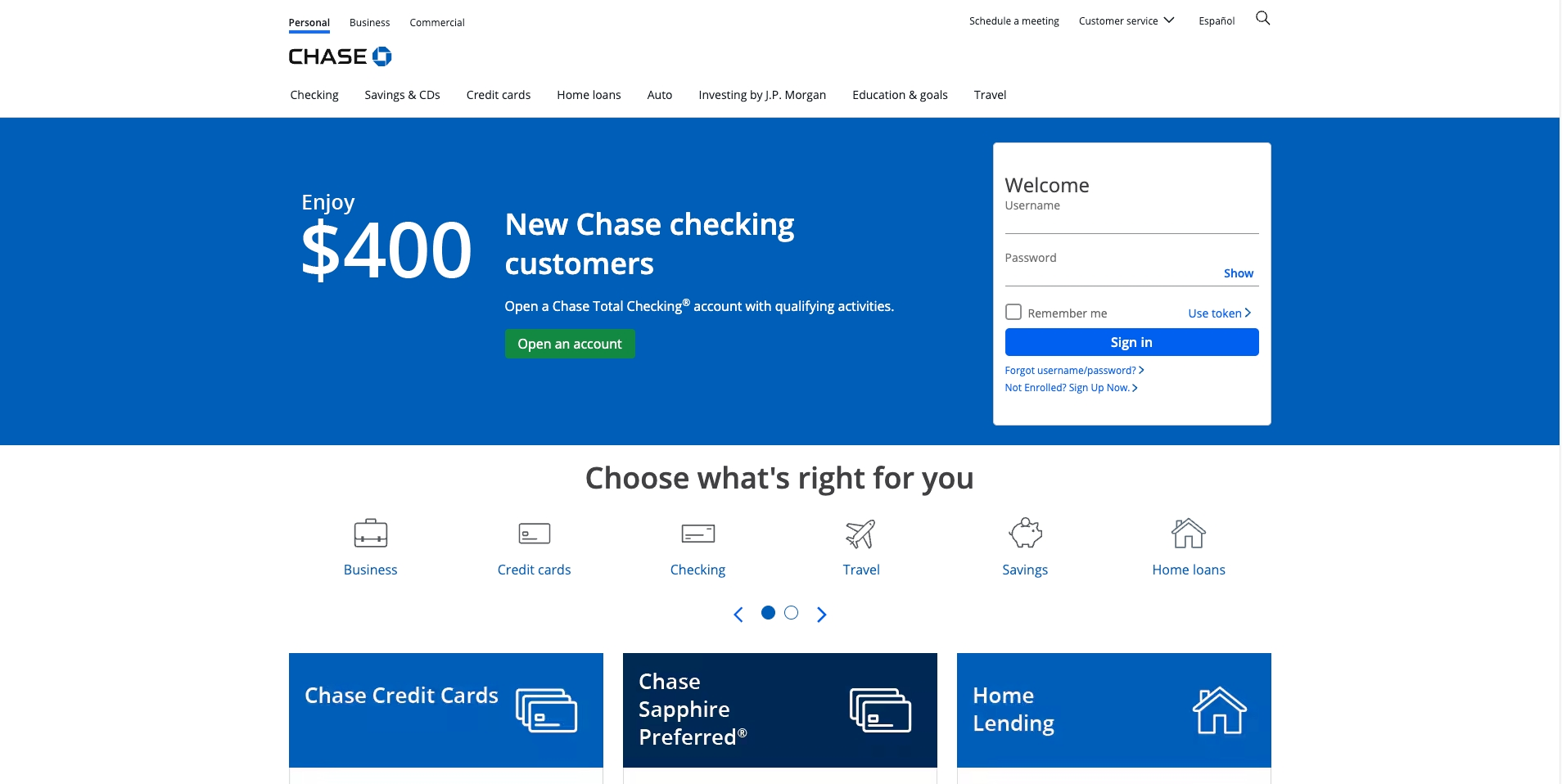
As of early 2026, Chase has pulled ahead as the sole leader in the American Customer Satisfaction Index (ACSI) for national banks. What sets them apart isn’t just their 4,700 branches; it’s their "First-Call Resolution" initiative. Chase has empowered their phone representatives to fix most common issues—like fee reversals or temporary limit increases—without needing to "check with a manager."
- Why they have low complaints: They’ve invested heavily in a mobile app that lets you handle the "annoying stuff" (like disputing a charge or locking a lost card) in two taps, which keeps people off the phone and out of the complaint database.
Capital One
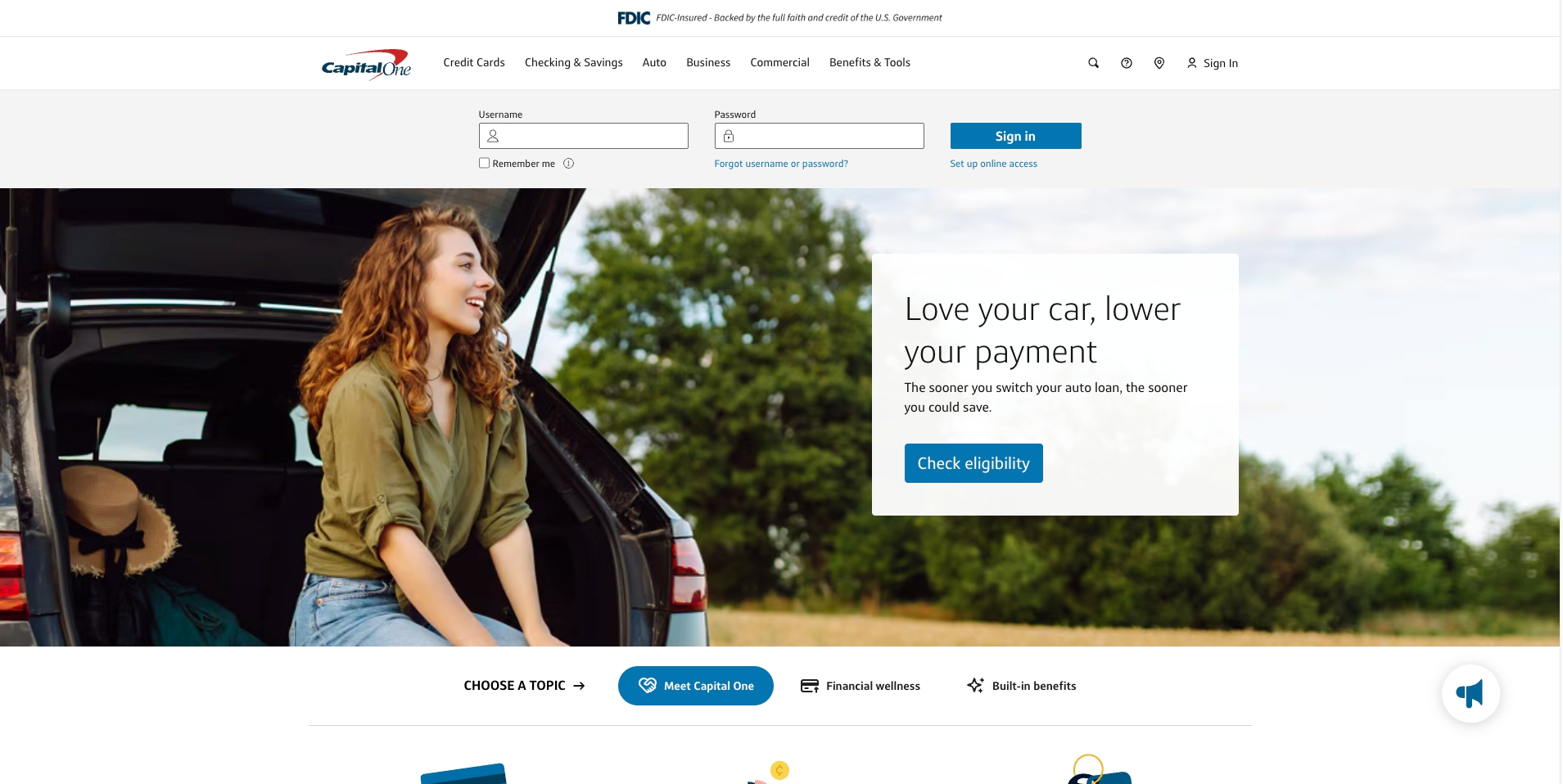
Capital One is often called the "hybrid" bank. They have the tech of a Silicon Valley startup but the physical presence of a traditional lender. They consistently rank at the top of the J.D. Power National Banking Study, specifically for their transparency.
- The Difference-Maker: Their Capital One Cafés. Instead of a bulletproof glass barrier and a teller, you get "Ambassadors" and a workspace. This relaxed environment has statistically led to fewer "misunderstanding" complaints because customers feel more comfortable asking "dumb" questions about their accounts.
U.S. Bank
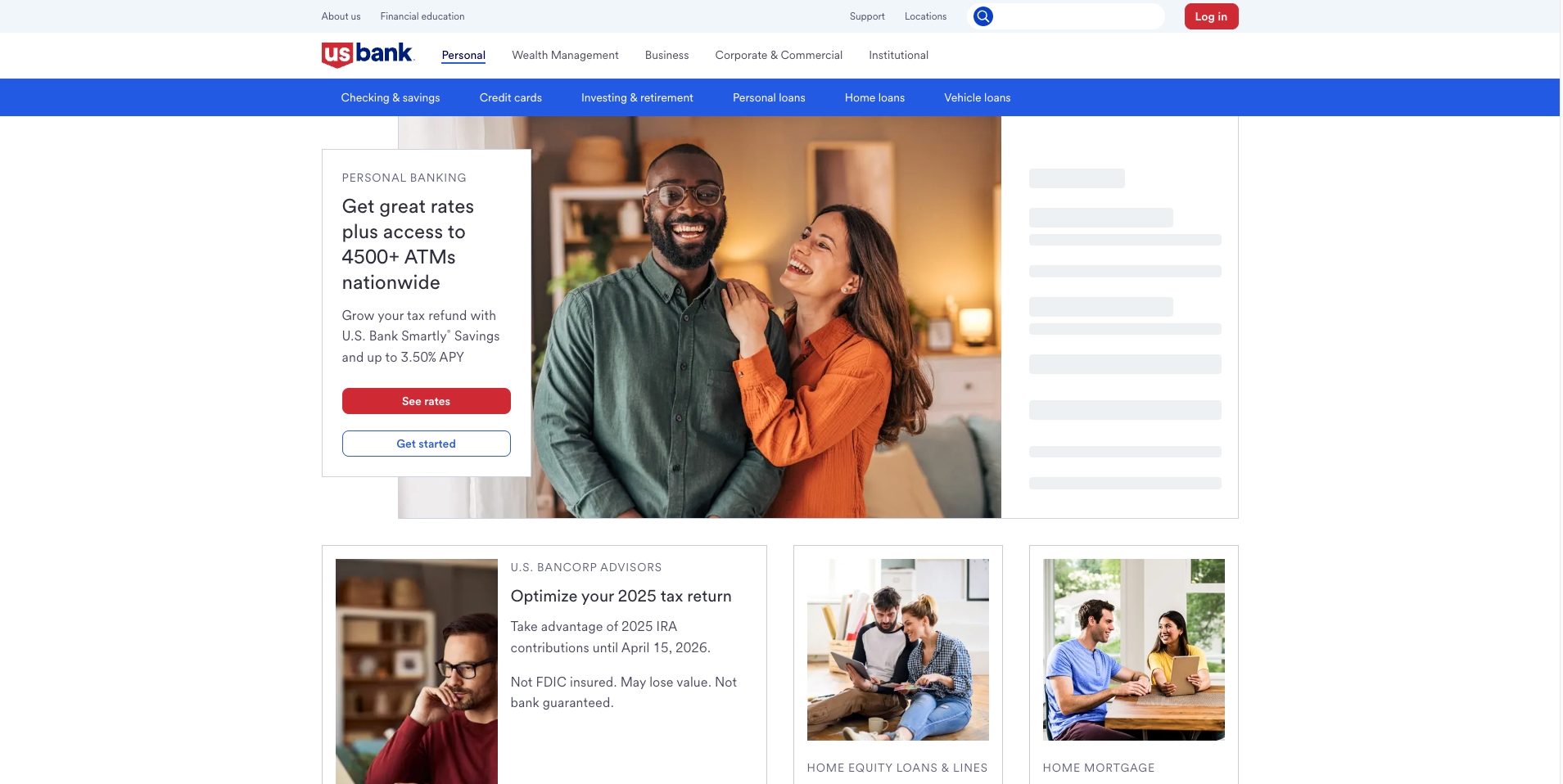
While smaller than Chase or BofA, U.S. Bank consistently wins on "Advice and Guidance." According to 2025-2026 industry data, they have some of the highest scores for helping customers actually improve their financial health rather than just trying to sell them a new credit card.
2. The Direct Banks (Best for Fee-Haters)
If you don't mind not having a physical branch to walk into, online-only (direct) banks are where you’ll find the lowest complaint-to-account ratios in the country. Because their business models are simpler, there are fewer things for customers to get mad about.
Charles Schwab Bank
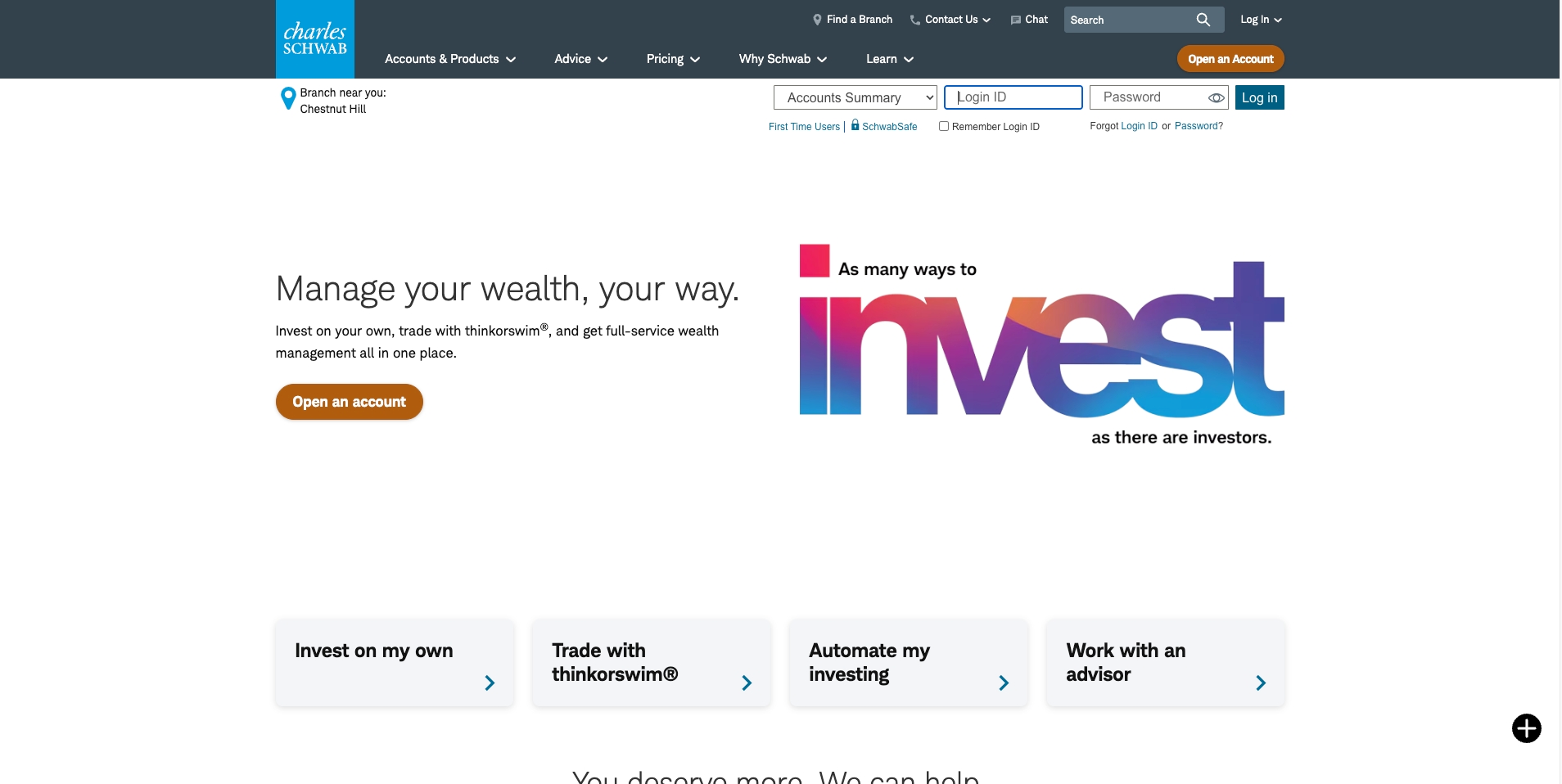
Schwab is the gold standard for service. They routinely score 740+ out of 1,000 in J.D. Power surveys—a score most big banks can only dream of.
- The Service Edge: Their support team isn't just a call center; they are trained financial professionals. If you’re traveling in Europe and your card is declined, Schwab is known for fixing it in minutes, not days. Their "No ATM Fees Worldwide" policy also eliminates the #1 reason people complain to the CFPB: unexpected fees.
Ally Bank
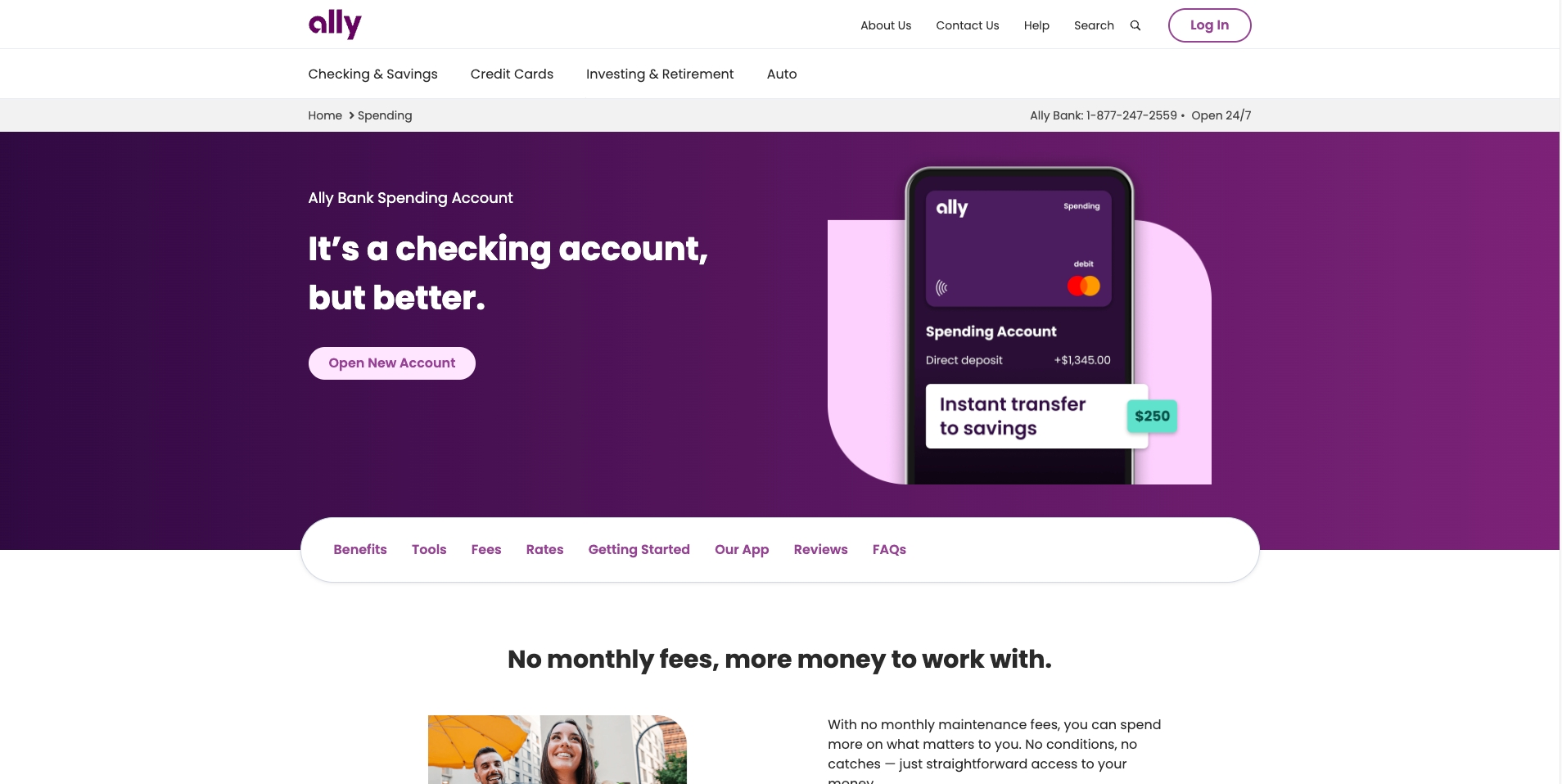
Ally’s entire brand is built around being "human." In 2026, they remain a top choice because of their radical transparency. Their website shows live wait times for phone support, so you never feel like you're shouting into a void.
- Innovation: Their "Savings Buckets" and "Surprise Savings" tools are designed to help you save money automatically. By automating the "good" stuff, they’ve reduced the "bad" interactions that usually lead to complaints.
3. Regional Powerhouses (The Local Advantage)
Sometimes, the best service comes from the bank down the street. Regional banks often outperform national ones because their leadership actually lives in the communities they serve.
- Bangor Savings Bank (New England): They have held the #1 spot in the Northeast for nearly a decade. In a 2026 ACSI regional breakout, they were noted for having the most "courteous and helpful" staff in the country.
- Huntington Bank (Midwest): They made a massive splash in the 2026 ACSI study by debuting near the very top. Their "Fair Play" philosophy—which includes a 24-hour grace period for overdrafts—has slashed their complaint rates compared to other super-regional competitors.
4. The "Green Flags" of a Low-Complaint Bank
If you’re shopping for a new bank and want to avoid future stress, look for these three things. The banks that do these well always have the happiest customers.
Plain-English Disclosures
The best banks in 2026 have moved away from "legalese." If a bank can’t explain their fee structure on a single page in layman's terms, they are likely hiding something that will eventually make you want to file a complaint.
Proactive Alerts (The "Anti-Fee" System)
Top-rated banks now use AI to save you money. For example, if your balance is low and a bill is about to come out, the bank should text you a heads-up. Banks that do this have 20% higher satisfaction scores because they prevent the problem before the customer even knows it exists.
Seamless Hand-offs
We’ve all been there: you start a chat in the app, it doesn't work, so you call, and you have to explain everything all over again. In 2026, the "best" banks (like Amex and Chase) have "contextual history." The phone agent already knows what you were doing in the app, so you don't have to repeat yourself.
Final Verdict: Who Should You Choose?
- If you want a branch nearby: Go with Chase or a local standout like Bangor Savings.
- If you want the best possible phone support: Charles Schwab is unbeatable.
- If you want to avoid all fees forever: Ally Bank or Capital One 360 are your best bets.
While no bank is perfect, choosing one of these leaders significantly lowers the odds that you'll end up as just another frustrated entry in the CFPB’s database.